
Safety Aboard
The one page that could have read like an insurance brochure — so instead we tipped the grab bag out and labelled every last thing, the same friendly way as everything else aboard Dreamworld. Three decades of over-preparing, laid out honestly.
At sea there are no service stations.
We are “safety orientated” when it comes to sailing. Our mindset was instilled upon me by my father Paul — an ex aircraft engineer, shipwright and world sailor. His ethos is that at sea there are no service stations and you can only rely on your own skills and knowledge, so we put safety first and don’t take short cuts on anything, including maintenance.
The outcome is… a lot of money invested on safety equipment, but even more time and money ensuring the vessel is seaworthy — for total peace of mind that if things do ever go wrong, we’ve done our absolute best to mitigate it before resorting to our rescue equipment.
…and we’ve never had any issues we couldn’t handle ourselves.
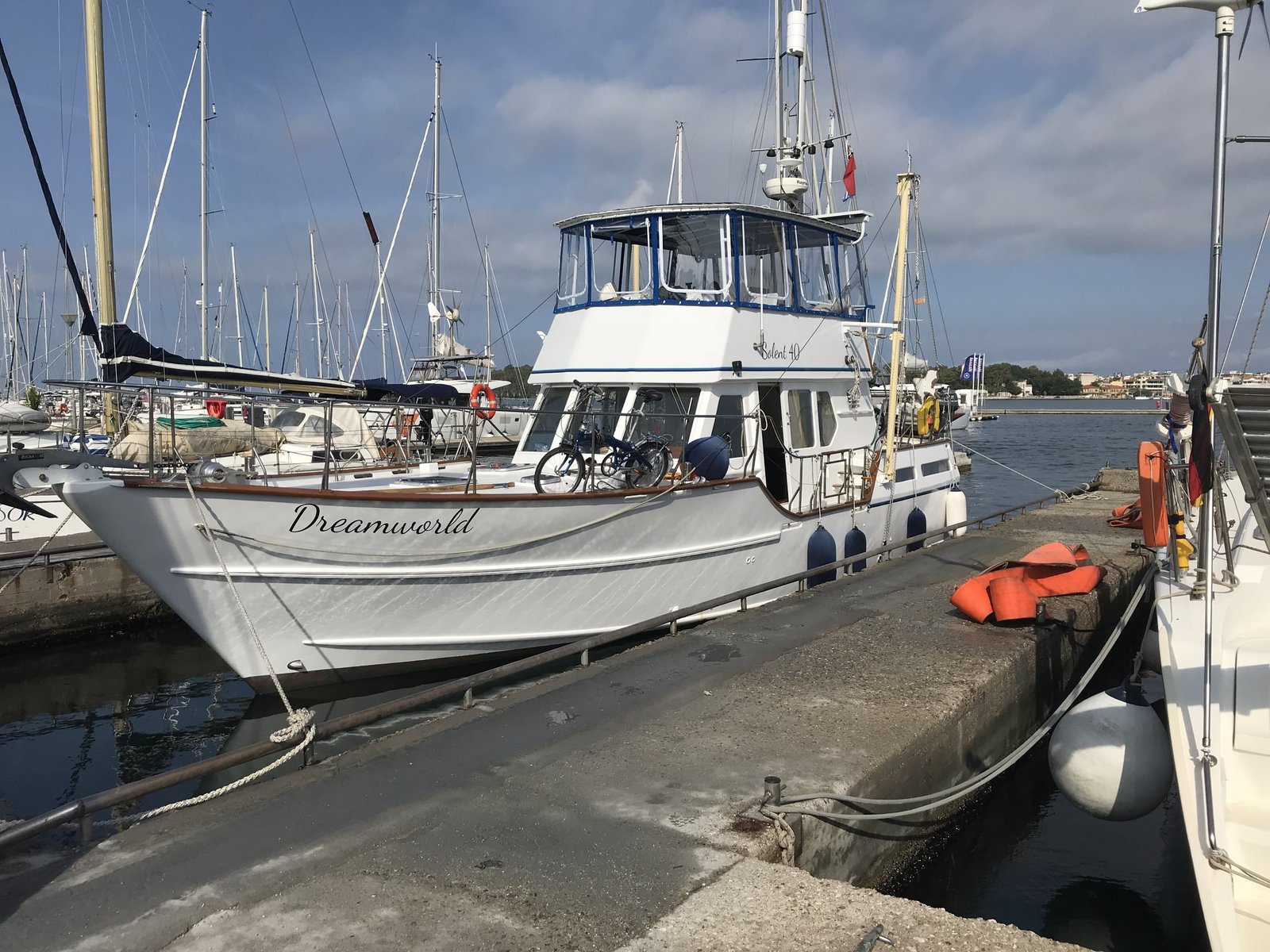
Our vessel was professionally designed and built, she has been cruising the world since 1992 and is well proven to be a safe and reliable offshore vessel.
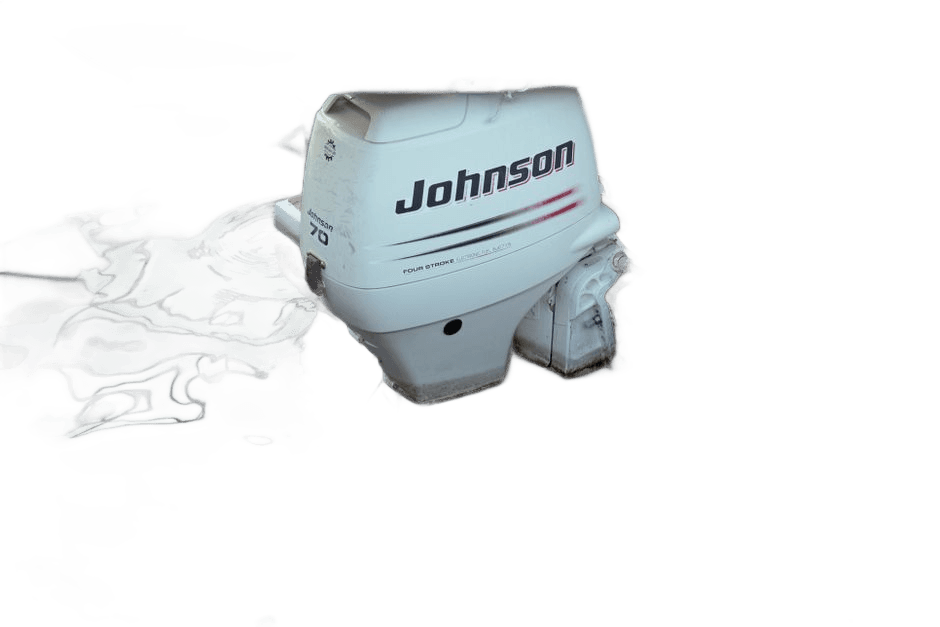
We have two engines but when cruising we typically only run one at a time and alternate them every 24 hours. This reduces fuel consumption but also reduces wear and tear, leaving one in a ready to go state at all times should the other develop an issue.
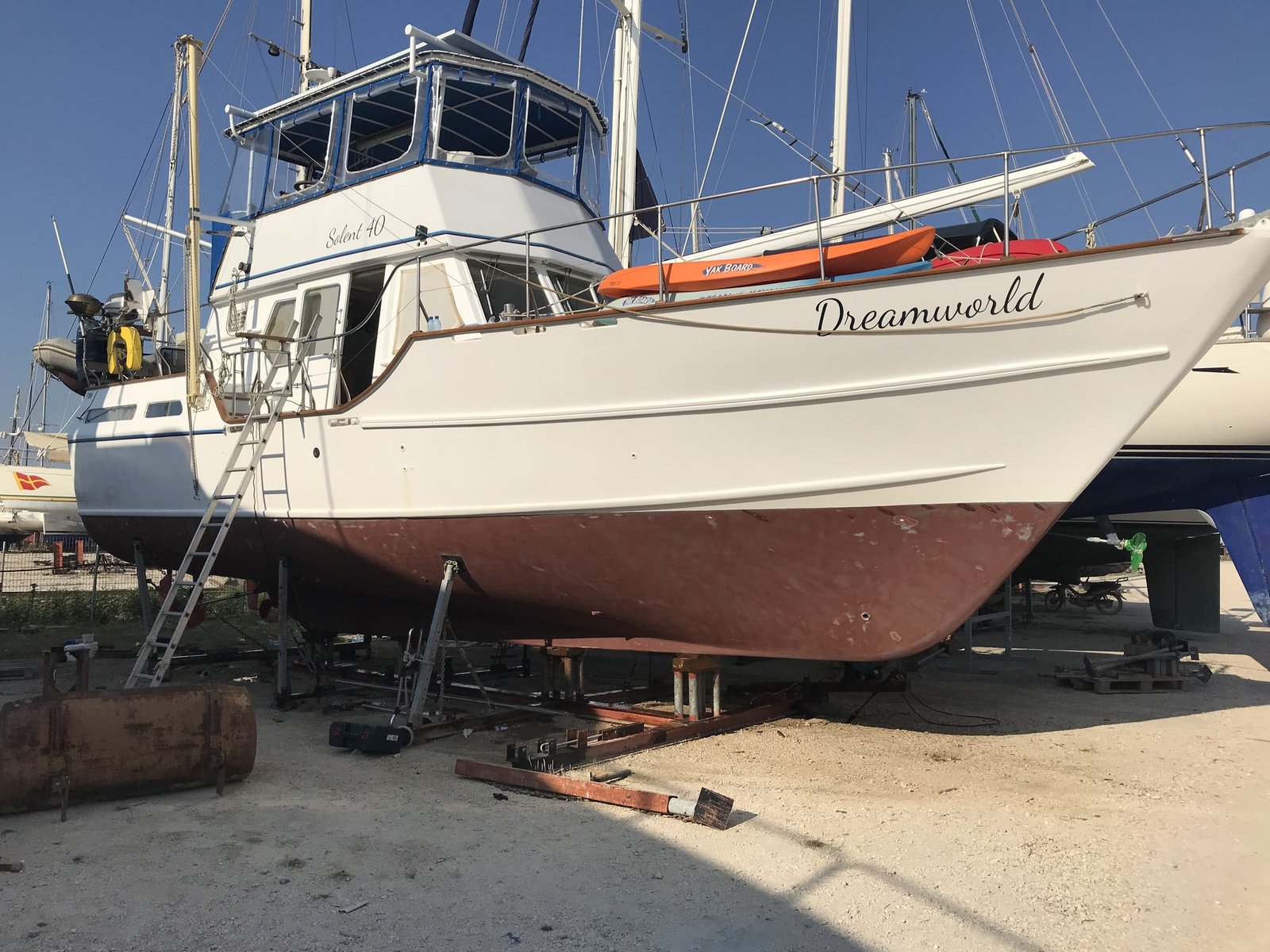
We are fairly deep draft at 5-6ft depending on load and have a round bilge with central stabilising keel — she will handle heavy seas well beyond what the crew could endure.
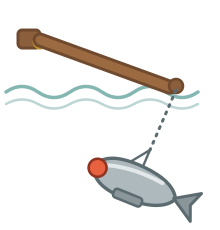
In the early days of cruising the top of the handrails would be submerged in a beam sea due to rolling — but then in Puerto Rico we stumbled upon a type of stabilising system we had not seen before, called Paravanes. We designed, developed and installed them to Dreamworld in around 2001, and since then cruising has become very comfortable — for the most part you can leave a coffee on the table without it moving.
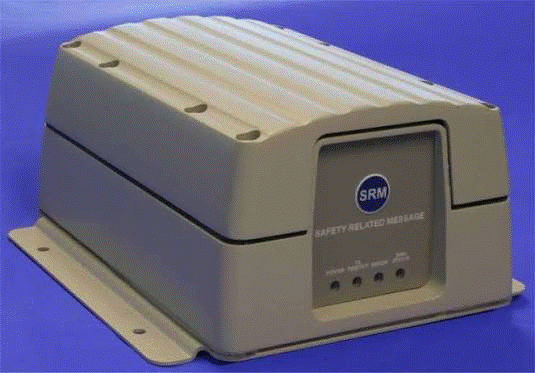
AIS transceiver — which means it can be seen as well as see other boats with the same technology.
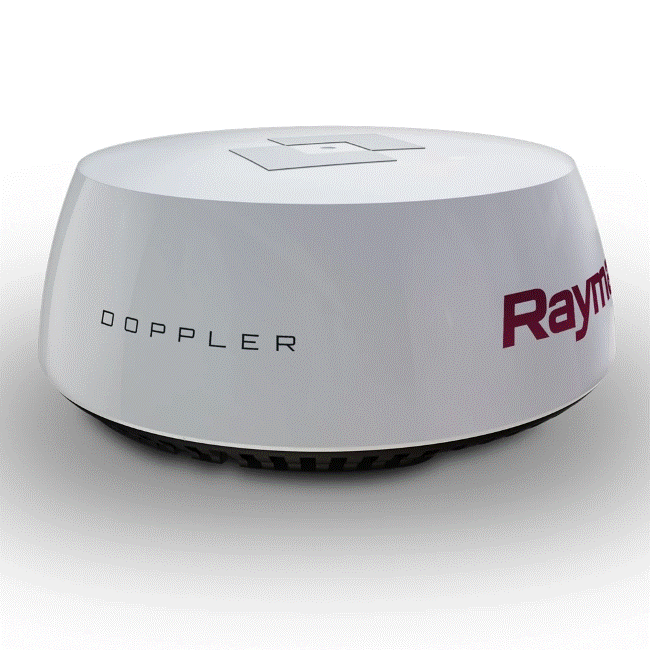
Radar — to support on night sailing, mainly on low seas.
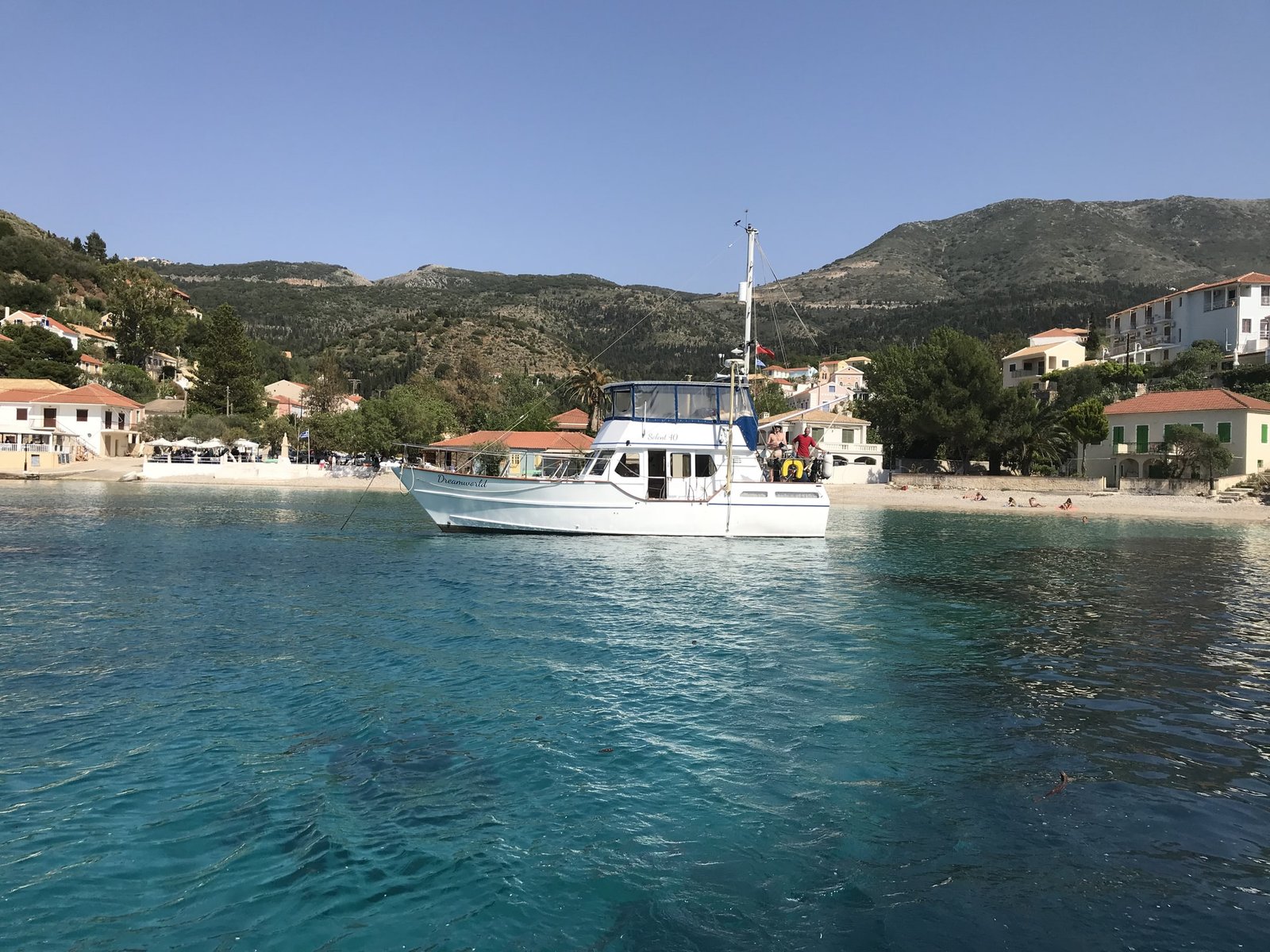
To start with, we are not a commercial vessel and we are not on a tight schedule. We can afford to take our time and leave port when the weather forecast looks more steady and stable. This is, in a good portion, a great way to avoid challenging conditions.
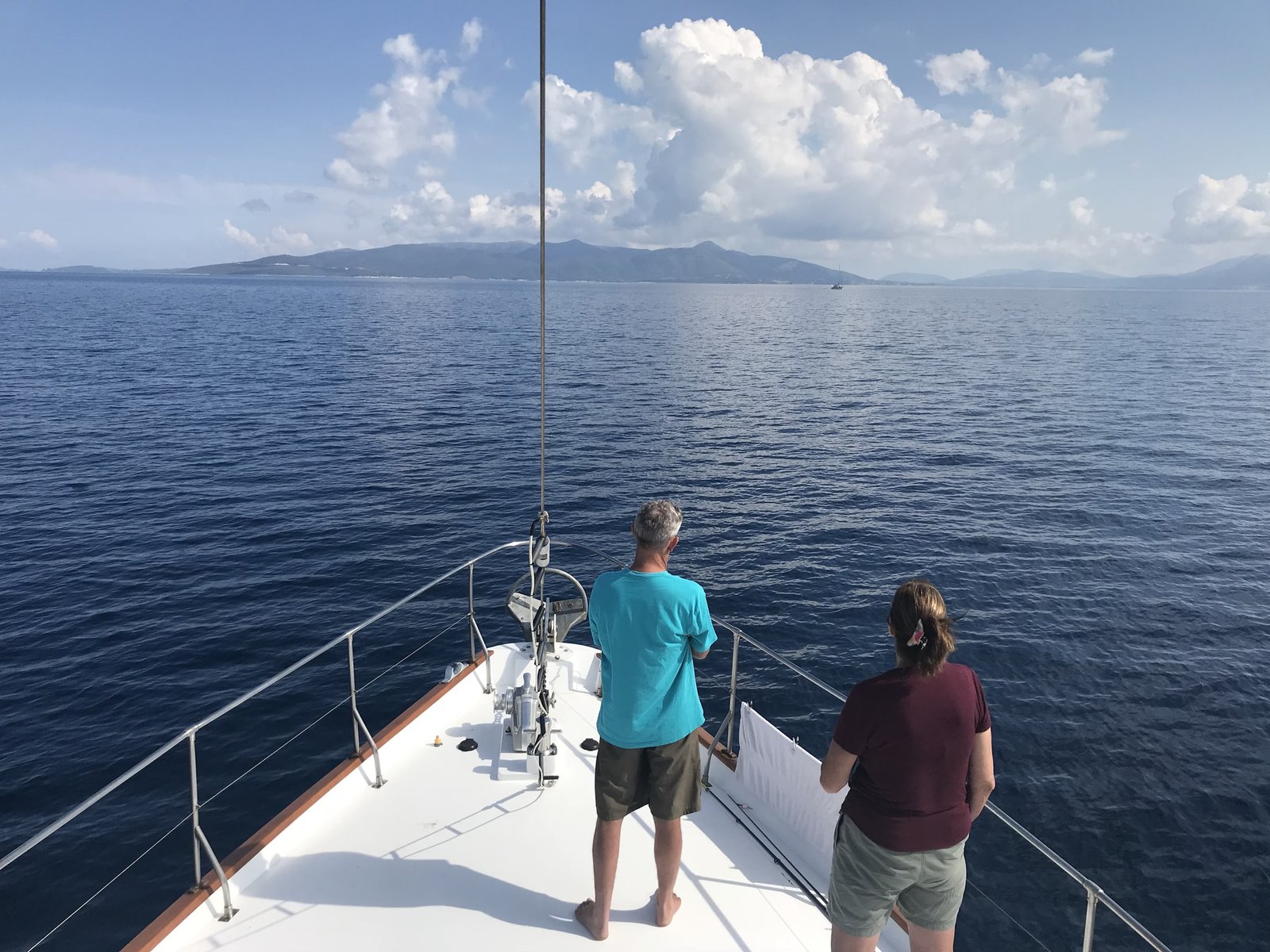
For longer passages it is impossible to forecast the weather for the whole crossing, so we make them during the known to be safest months of the year. We are not here to prove anything to anyone nor to win any speed record prize, so at any indication of rough weather we will take shelter as soon as possible.
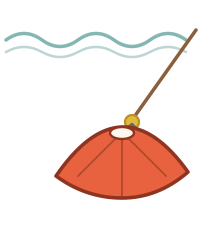
There are times though when taking shelter may not be possible — imagine you’re far offshore crossing the Atlantic, with only the fuel calculated for that passage. So we’ve got onboard a parachute sea anchor which is oversized; in heavy seas this will be deployed and will keep the vessel heading into the sea so we can ride the storm with maximum safety and least fuel usage until the weather improves.
If you’re interested in reading more about this product: para-anchor.eu
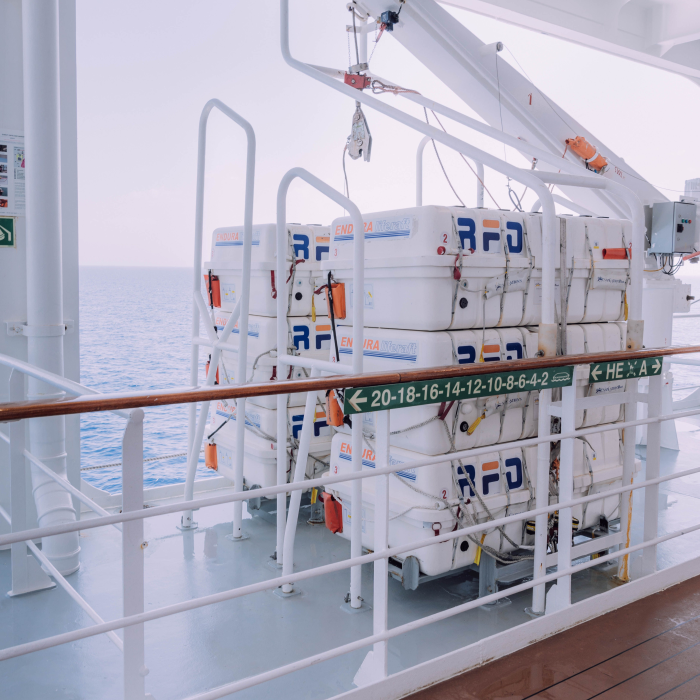
A 6-person liferaft with a SOLAS B pack — the offshore-grade raft, stocked to give us the very best chance should we ever need to step up into it. We hope never to.
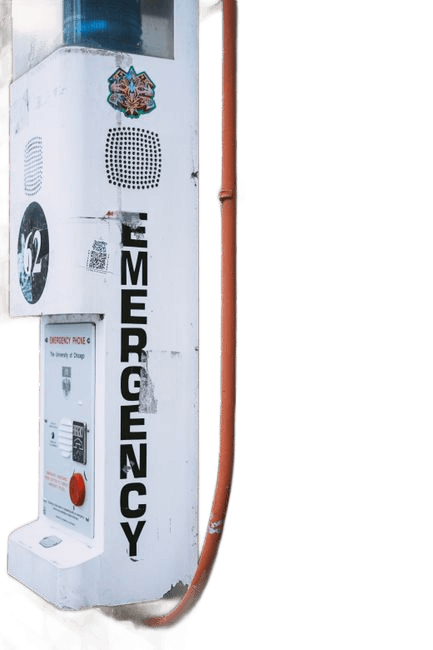
An emergency beacon that tells shore-based rescue services exactly where we are, anywhere in the world, at the press of a switch.
A waterproof handheld to talk to rescuers, shipping and shore — goes straight into the grab bag so we’re never off the air.
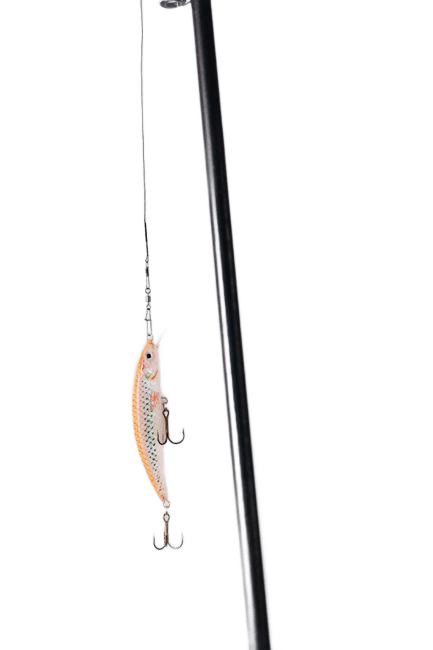
Line, hooks and lures packed in the bag — because a raft that can catch its own supper buys you time, and time is everything.
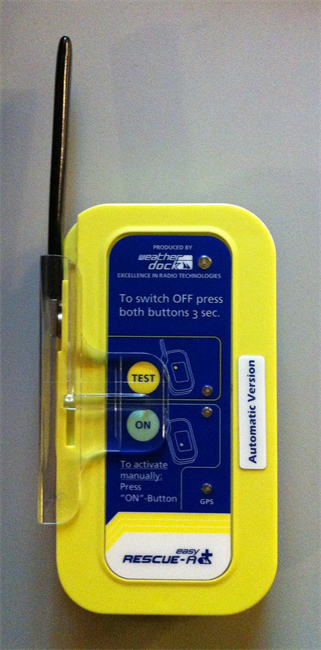
A small personal AIS beacon so that, in the water, we show up on the screen of every nearby vessel — not just a dot for the shore, but for the boat right next to us.
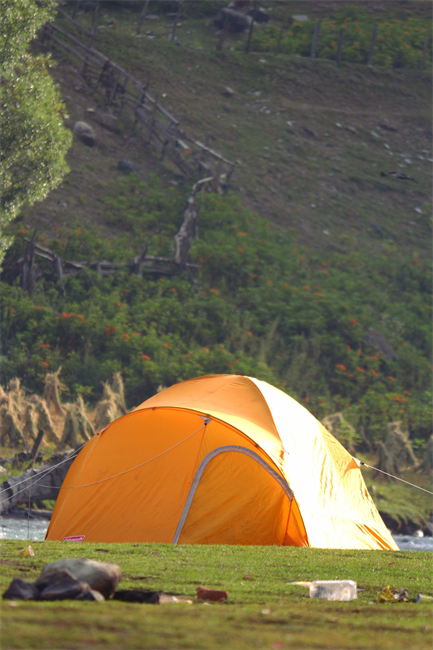
A compact tent to rig over the raft — shade from the sun and shelter from wind and spray, keeping the crew as dry and protected as we can while we wait.
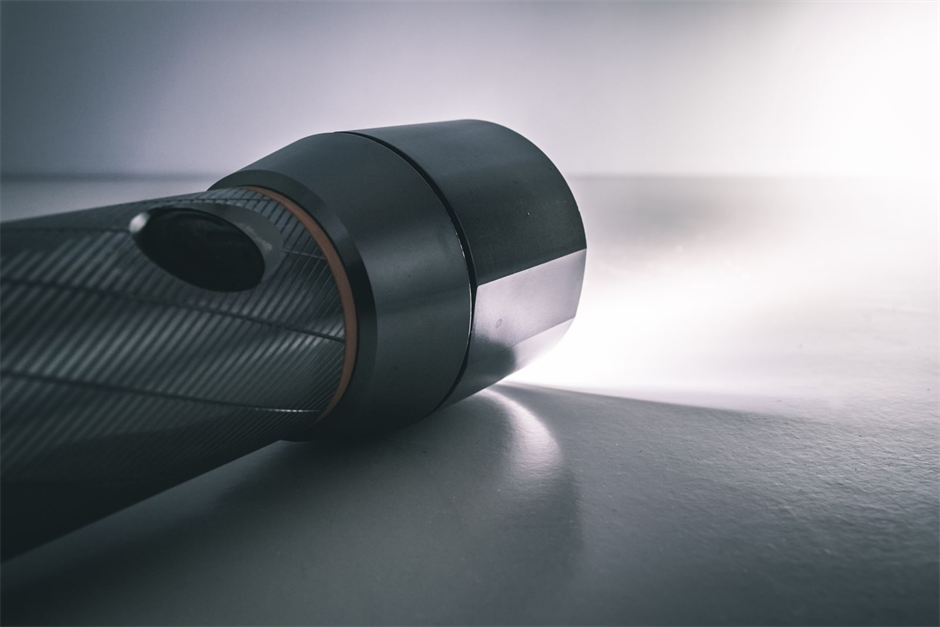
Waterproof signalling torches for the last mile of a rescue.
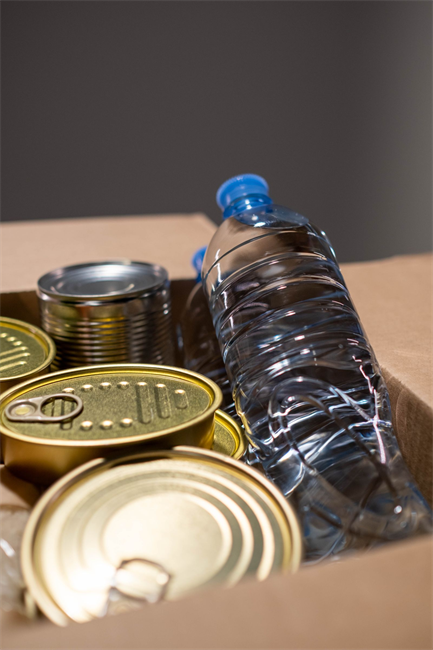
Food and emergency rations stowed in the bag — enough to keep the crew fed and steady while help makes its way to us.